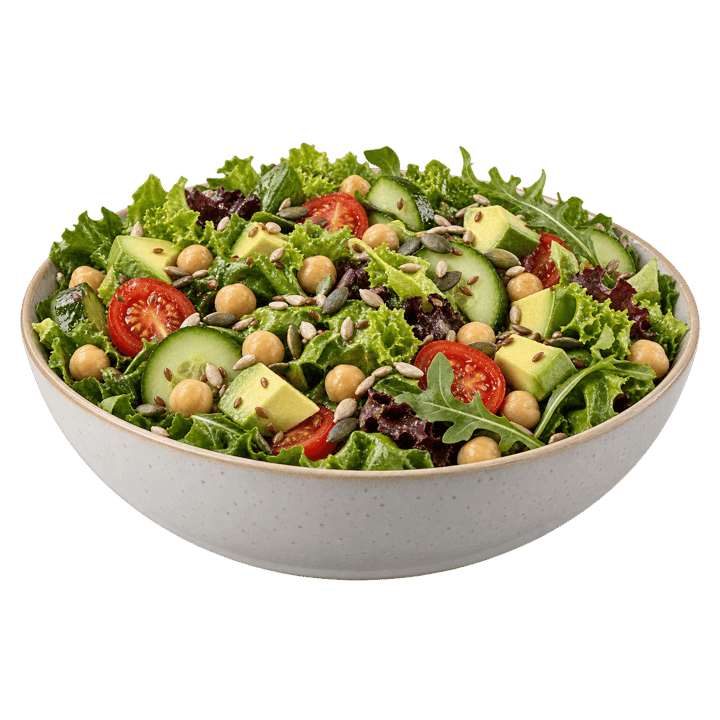
Can I eat salad if I take warfarin?
Yes. The advice from MedlinePlus, the US National Library of Medicine’s drug guide, is to eat consistent amounts of foods with vitamin K from week to week, to avoid large amounts of leafy greens, and to talk to your doctor before you change your diet. Vitamin K changes how warfarin works, and leafy greens have a lot of it.
A lot of people on warfarin hear “avoid greens” and drop salad altogether. The guidance is about keeping the amount steady and not eating large amounts, and a salad most days, eaten about the same way, fits that better than salad one week and none the next.
What we’d do
Keep eating salad if you like it, and keep it steady. Pick your usual greens and your usual amount, and stick close to them week to week. If you want to eat a lot more salad, switch from romaine to spinach, or start or stop a daily salad, tell your doctor first, since your dose is set around what you usually eat. Your doctor or pharmacist can give you a list of foods with vitamin K.
Think of your warfarin dose as tuned to your usual week of food. A steady habit keeps it in tune. A sudden swing in either direction, a lot more greens or a lot fewer, is what your doctor needs to know about.
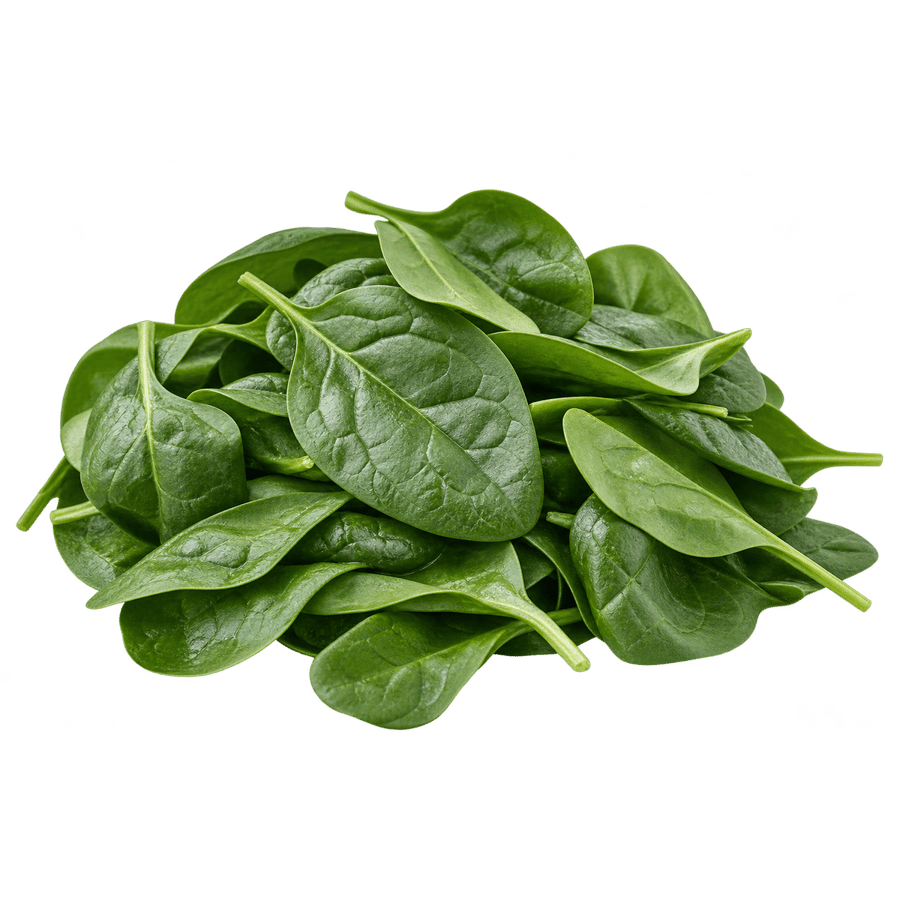
Vitamin K in common salad greens
| Per cup, raw | Vitamin K |
|---|---|
| Spinach | 145 mcg |
| Kale, chopped | 82 mcg |
| Romaine, shredded | 48 mcg |
| Arugula | about 22 mcg |
| Iceberg, shredded | 17 mcg |
From the USDA. A cup of spinach has about three times the vitamin K of a cup of romaine and more than eight times iceberg’s, so swapping one green for another changes your intake even when the bowl looks the same.
The dressing counts too. MedlinePlus also names “certain vegetable oils” with a lot of vitamin K. A tablespoon of olive oil has about 8 mcg, and a tablespoon of bottled ranch about 20, from the USDA’s values.
How warfarin and greens connect
Warfarin is a blood thinner, which works by lowering the blood’s ability to clot. Foods with vitamin K affect how warfarin works, so a big change in how much of them you eat can change what your dose does. That’s why your doctor checks your blood regularly (the INR test) and adjusts the dose to your results.
Salad can stay on the table, at an amount that’s predictable enough for the dose to be set around it.
Keeping it steady
- Same greens, same amount. If your usual is two cups of romaine a day, keep it there.
- Mix the same way. A bowl that’s half romaine and half spinach every time is steady. Spinach one week and iceberg the next isn’t.
- Tell your doctor before a big change, like starting a daily salad, a green smoothie habit or a diet that’s heavy in greens.
Our greens comparison sorts the greens by vitamin K per cup or per 100 g, with the same line about warfarin under it.
7 sources
- MedlinePlus, Warfarin, US National Library of Medicinemedlineplus.gov
- USDA Standard Reference, spinach, rawnutritionvalue.org
- USDA Standard Reference, kale, rawnutritionvalue.org
- USDA Standard Reference, lettuce, cos or romaine, rawnutritionvalue.org
- USDA Standard Reference, lettuce, raw, iceberg (includes crisphead types)nutritionvalue.org
- USDA Standard Reference, oil, salad or cooking, olivenutritionvalue.org
- USDA Standard Reference, salad dressing, regular, ranchnutritionvalue.org