Salad myths, checked
What people believe about their salads, why it sounds right, and what is true.
 No
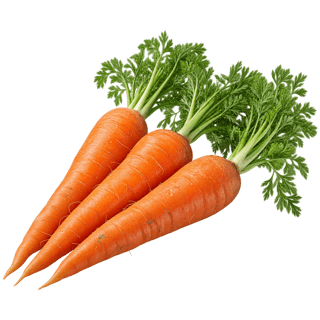
Fat-free dressing is the healthy choice
No. With fat-free dressing, 7 people absorbed almost none of a salad's beta-carotene. In two later trials, more fat meant more absorbed. Use 1 to 2 tbsp of oil.
 No
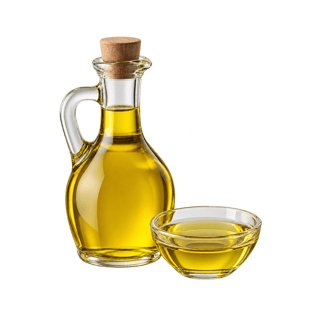
Olive oil is healthy, so the amount doesn't matter
No. A tablespoon of olive oil has 119 calories, more than a whole head of romaine. Keep the oil, since your salad needs some fat, and measure it with a spoon.
 Sort of
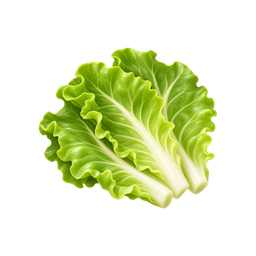
Iceberg lettuce has no nutrition
Sort of. Iceberg is about 96% water, and a cup has 17 mcg of vitamin K against spinach's 145. But two cups still count as a cup of vegetables in the US guidelines.
 Not the way you think
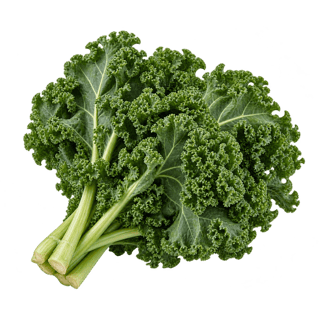
Kale is the healthiest green
Not the way you think. Per cup, spinach has more vitamin K and four times kale's folate, since a cup of chopped kale weighs 21 g. Per 100 g, kale wins vitamin C.
 Yes, but
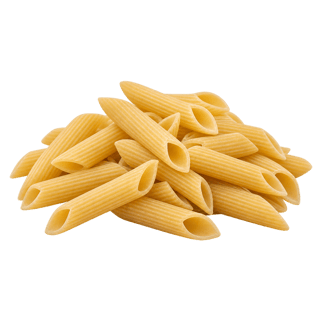
Eating a salad first makes you eat less
Yes, but only if it's big and light. A large light salad cut a pasta lunch 12% at Penn State. The same size bowl made richer with dressing and cheese raised it 17%.
 Not the way you think
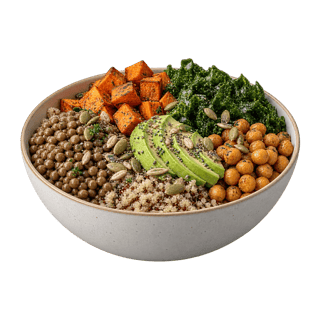
A salad can't keep you full
Not the way you think. Leaves alone can't. In a year-long trial, women who ate more water-rich vegetables lost more weight and felt less hungry. Add protein and beans.
 Not the way you think
Eating a salad every day will make you lose weight
Not the way you think. A daily salad adds vegetables, and only 1 in 10 US adults eats enough. But weight follows your whole day, and a loaded cobb is about 700 calories.