Eating a salad first makes you eat less
Short answerYes, but
On this page
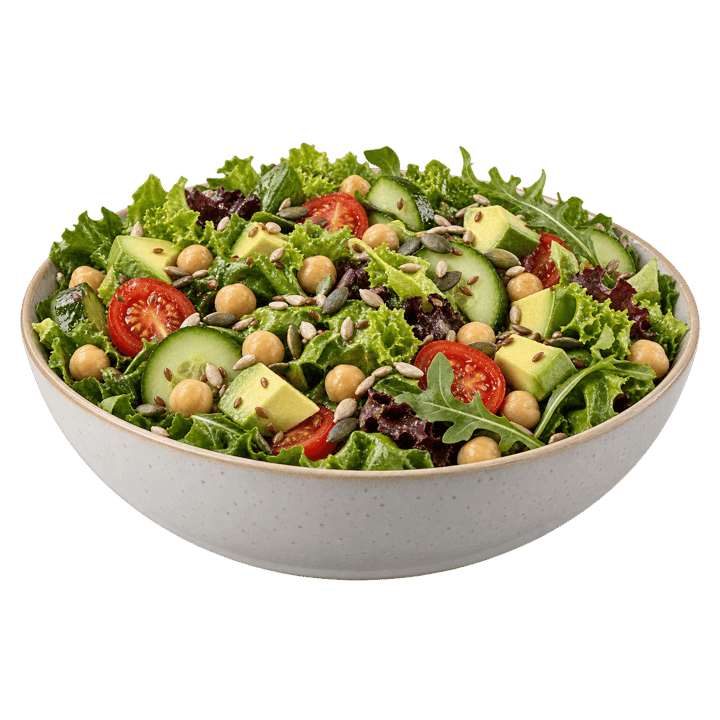
Yes, but only if the salad is big and light. At Penn State, a large salad of about 100 calories cut the whole lunch by 12%. The same size bowl made richer with more dressing and cheese, about 400 calories, raised the whole lunch by 17%. A starter with croutons and creamy dressing can do the opposite of what you wanted.
What we’d do
Before a meal, eat a big bowl of leaves and crunchy vegetables with a teaspoon or so of olive oil and lots of vinegar or lemon. Leave the cheese, croutons and creamy dressing for a salad that’s the meal. Three cups of romaine, a tomato, half a cup of cucumber and a teaspoon of oil come to about 100 calories, the same as the trial’s best salad.
If you remember three things
- Big and light worked best. About 100 calories in a 300 g bowl cut lunch by 12%.
- Big and rich backfired. About 400 calories in the same bowl raised lunch by 17%.
- The usual side salad with ranch sits in between. The published summary doesn’t say what that middle salad did.
Why people believe it
“Start with a salad” is common diet advice, and it sounds right. Vegetables are filling and low in calories, so a bowl of them first should leave less room for the rest. Plenty of people order a side salad before the main for exactly that reason.
Half of that is true. The other half depends on the dressing.
A simple way to picture it
A salad before a meal works like a coupon or a surcharge. A big, light one is a coupon for about 12% off the whole meal. A big, rich one is a 17% surcharge, even though it looks like the same bowl on the table.
What the trial found
Six salads and a pasta lunch
42 women, Penn State, 2004. Rolls, Roe and Meengs
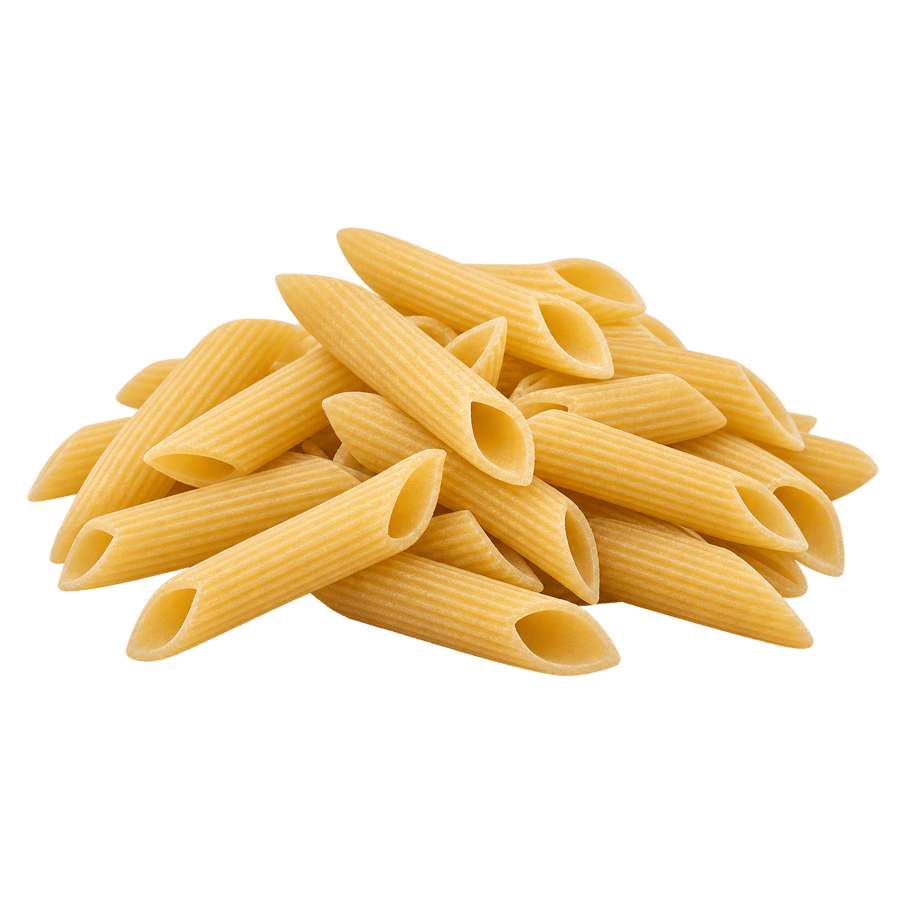
The women came in for lunch once a week for seven weeks. On six days they had to finish a salad before eating as much pasta as they wanted, and on one there was no salad. Against no salad, the light salads cut the whole lunch by 7% (small) and 12% (large). The rich salads raised it by 8% (small) and 17% (large).
Single lunches in a lab, and the women had to eat every bite of salad.
| The salad | Its calories | The whole lunch, against no salad |
|---|---|---|
| Small and light, 150 g | About 50 | 7% less |
| Large and light, 300 g | About 100 | 12% less |
| Small and rich, 150 g | About 200 | 8% more |
| Large and rich, 300 g | About 400 | 17% more |
The salads’ richness was 0.33 or 1.33 calories per gram, set by “changing the amount and type of dressing and cheese”. A third set of salads in the middle, at 0.67 calories per gram, was tested too, and its results aren’t in the published summary.
Where your starter lands
| Your starter | Calories | Nearest trial salad |
|---|---|---|
| 3 cups of romaine, a tomato, half a cup of cucumber, a teaspoon of olive oil with vinegar | About 99 | Large and light, 12% less |
| A side salad with 2 tbsp of ranch | About 164 | Large and middle, result not published |
| A caesar with 3 tbsp of dressing, croutons and parmesan | About 440 | Richer than the trial’s rich salad |
A typical side salad, 2 cups of greens with tomato, cucumber and 2 tablespoons of ranch, gets 78% of its calories from the ranch. Swap the ranch for a teaspoon of oil and vinegar and it moves to the light end. Starter or meal places your own bowl next to the trial’s salads.
A second reason to eat it first
In a 2015 study, 11 adults with type 2 diabetes ate the same meal of bread, orange juice, chicken, salad and broccoli twice, a week apart. When they ate the chicken and vegetables first and the bread and juice 15 minutes later, their blood sugar an hour after they started eating was about 37% lower than when they ate the bread first. It was one meal in 11 people, and the salad came with the chicken. But it’s free to try, and a light salad first fits both ideas.
The best case against it
“It was one lunch, and the women had to finish the salad. In real life people skip the salad, or make up for it at dinner.” That’s fair. The trial didn’t follow anyone for weeks, and a salad you have to finish isn’t how most people eat. What it does show is that the same size bowl can push a meal in either direction, and the dressing and cheese decide which.
5 sources
- Rolls, Roe and Meengs, Salad and satiety: energy density and portion size of a first-course salad affect energy intake at lunch, Journal of the American Dietetic Association, 2004pubmed.ncbi.nlm.nih.gov
- Shukla et al., Food order has a significant impact on postprandial glucose and insulin levels, Diabetes Care, 2015pmc.ncbi.nlm.nih.gov
- Gebhardt and Thomas, Nutritive Value of Foods, Home and Garden Bulletin 72, USDA Agricultural Research Service, 2002ars.usda.gov
- USDA Standard Reference, salad dressing, ranch dressing, regularnutritionvalue.org
- USDA Standard Reference, salad dressing, caesar dressing, regularnutritionvalue.org