How many calories are in a tablespoon of olive oil?
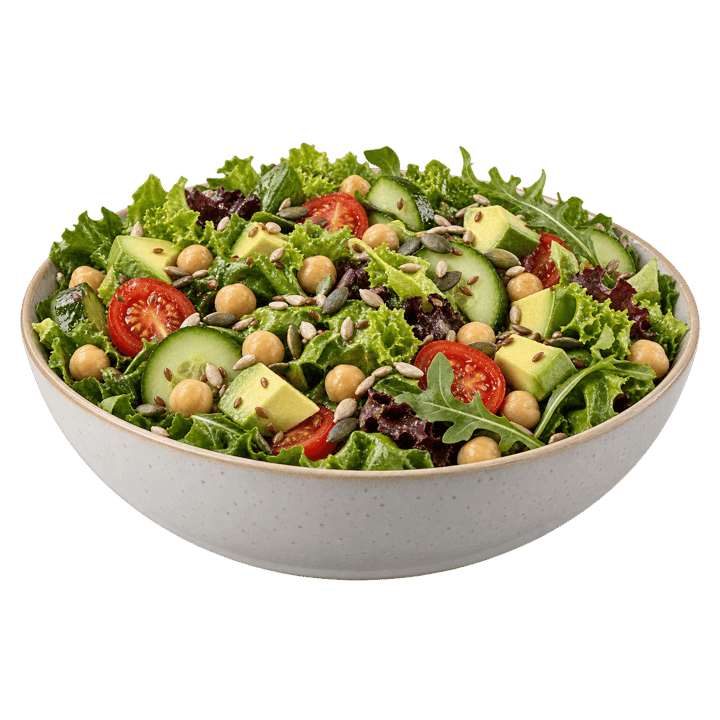
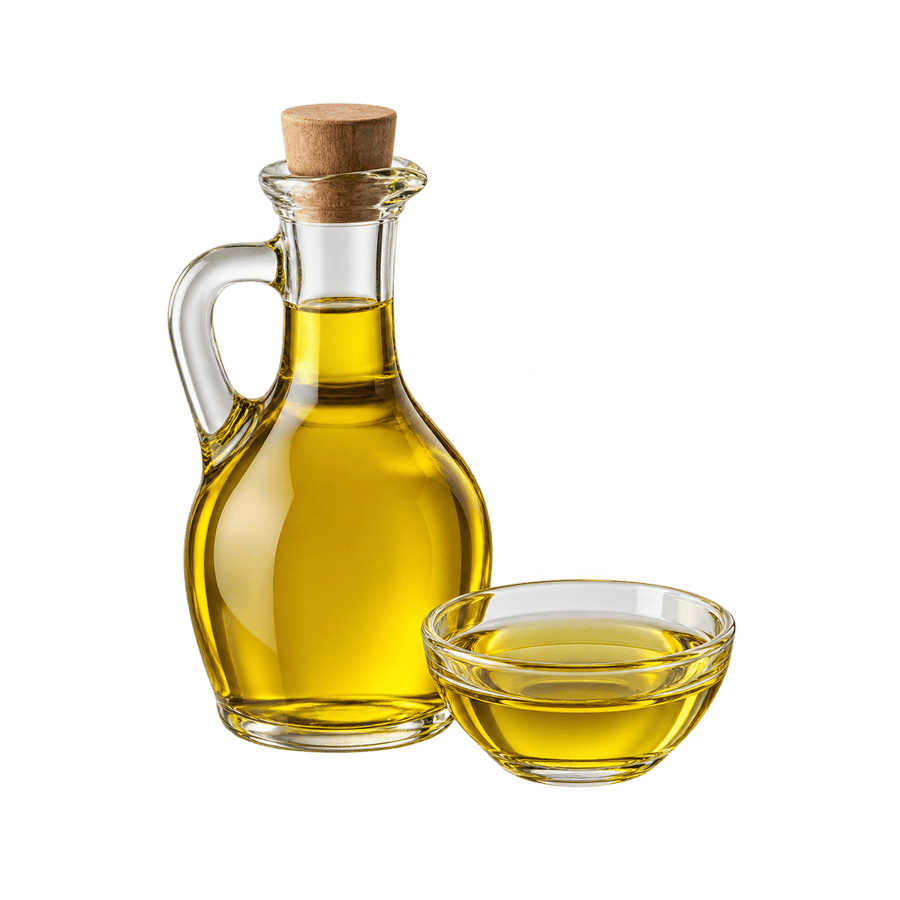
About 119 calories, from the USDA. All of it is fat, 13.5 g, and most of that is the monounsaturated kind. That’s more calories than a whole head of romaine, which is about 106. Keep the olive oil on your salad, and measure it with a spoon.
Olive oil gets treated in two opposite ways. Some people pour it freely because it’s the healthy fat, and nobody pouring from the bottle knows whether that was one tablespoon or four, 119 calories or 476. Others are so wary of the calories that they switch to fat-free dressing, and with fat-free dressing your body absorbs almost none of the beta-carotene in the vegetables.
What we’d do
Use one tablespoon of olive oil on a meal salad, two at most, and measure it until your eye knows the amount. Stretch it with vinegar or lemon so it covers the whole bowl. A three to one vinaigrette is about 90 calories a tablespoon, and the acid makes a little oil go a long way.
One tablespoon of olive oil has about the calories of two and a half cups of strawberries, and you can pour it in under a second.
The numbers
| Amount | Calories | Fat |
|---|---|---|
| A teaspoon, 5 ml | about 40 | 4.5 g |
| A tablespoon, 15 ml | 119 | 13.5 g |
| 2 tablespoons | 238 | 27 g |
| A quarter cup, 4 tablespoons | 476 | 54 g |
| A 500 ml bottle | about 4,000 | about 450 g |
A tablespoon of olive oil, 13.5 g by the USDA’s value, splits into about 9.9 g of monounsaturated fat, 1.9 g of saturated fat and 1.4 g of polyunsaturated fat. It has no protein, no carbs and no fiber. By volume it works out to about 8 calories per ml.
Why it beats a head of lettuce
Romaine is about 95% water. A whole head weighs 626 g, about a pound and a third, at about 0.17 calories a gram. Olive oil has no water at all and almost 9 calories a gram. Gram for gram that’s about 50 times the calories, so one spoonful outweighs the head.
Why we’d still use it
The fat is doing a job. The orange, red and yellow pigments in carrots, tomatoes and spinach (the carotenoids) dissolve in fat. In a 2004 Iowa State study, 7 people ate the same salad with dressings made with 0, 6 or 28 g of canola oil, and with the fat-free one almost none of the alpha-carotene, beta-carotene or lycopene reached their blood. More oil let more through. In a 2012 trial of 29 adults who had salads with canola oil, soybean oil or butter, the amount of fat mattered more than which fat it was.
One tablespoon of olive oil gives you 13.5 g of fat, about half the oil in the Iowa State study’s full-fat dressing. Two tablespoons gets you close to it.
Try it
On the pour, set olive oil and slide from a teaspoon to a quarter cup to see its share of your bowl. For how much to use, see how much dressing should I use.
5 sources
- USDA Standard Reference, oil, salad or cooking, olivenutritionvalue.org
- USDA Standard Reference, lettuce, cos or romaine, rawnutritionvalue.org
- Gebhardt and Thomas, Nutritive Value of Foods, Home and Garden Bulletin 72, USDA Agricultural Research Service, 2002ars.usda.gov
- Brown et al., Carotenoid bioavailability is higher from salads ingested with full-fat than with fat-reduced salad dressings as measured with electrochemical detection, American Journal of Clinical Nutrition, 2004pubmed.ncbi.nlm.nih.gov
- Goltz et al., Meal triacylglycerol profile modulates postprandial absorption of carotenoids in humans, Molecular Nutrition and Food Research, 2012pubmed.ncbi.nlm.nih.gov